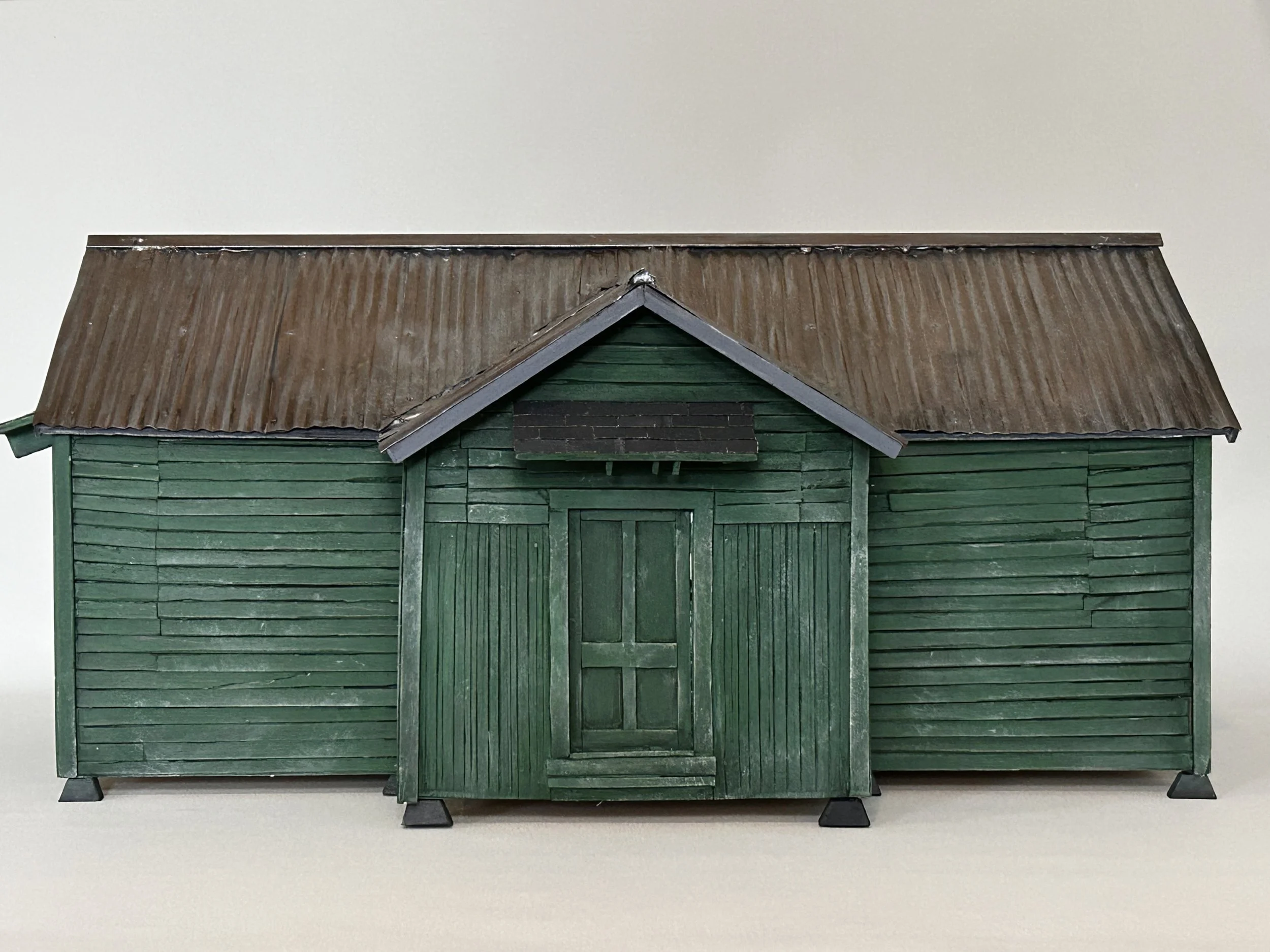
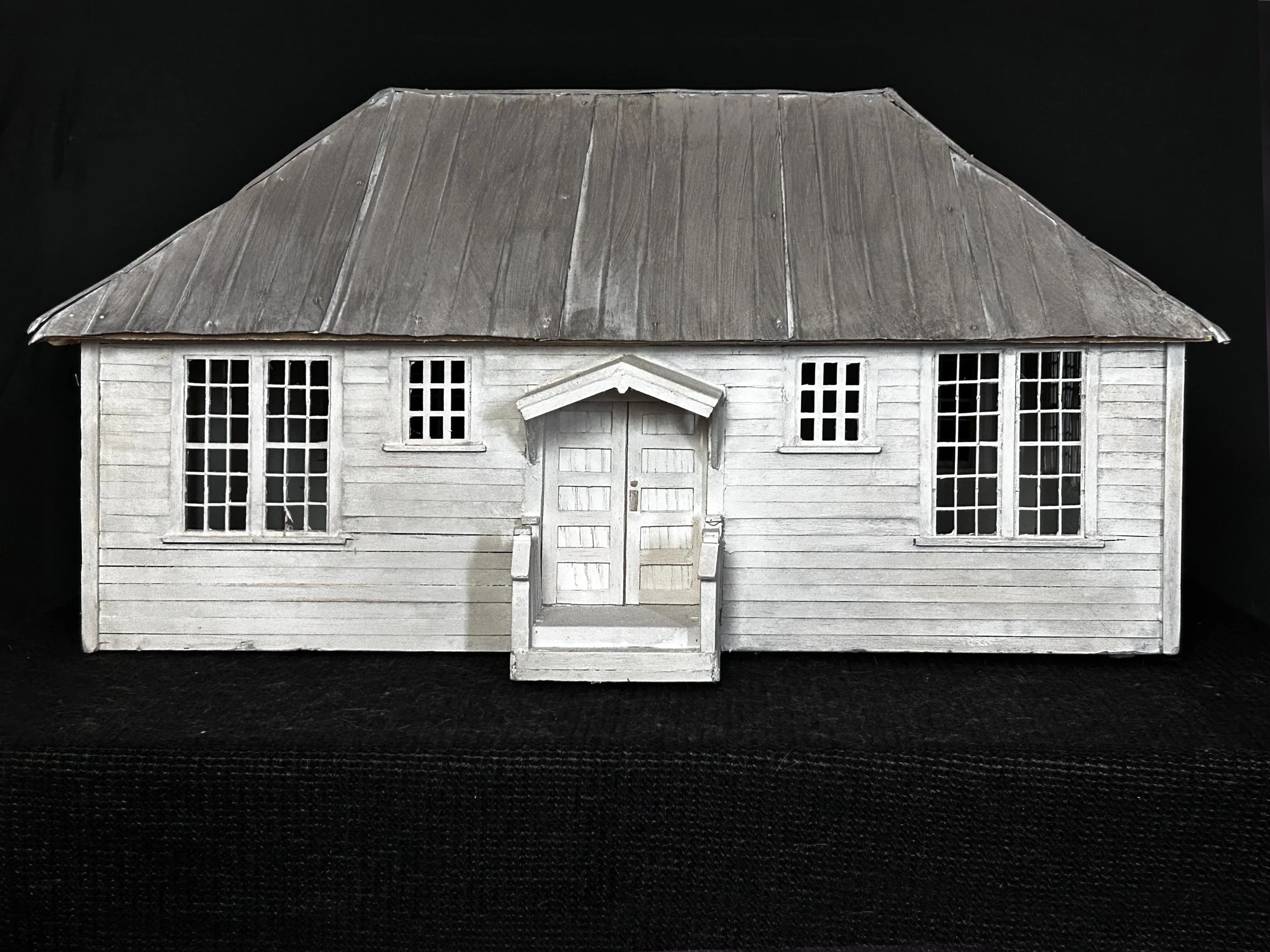
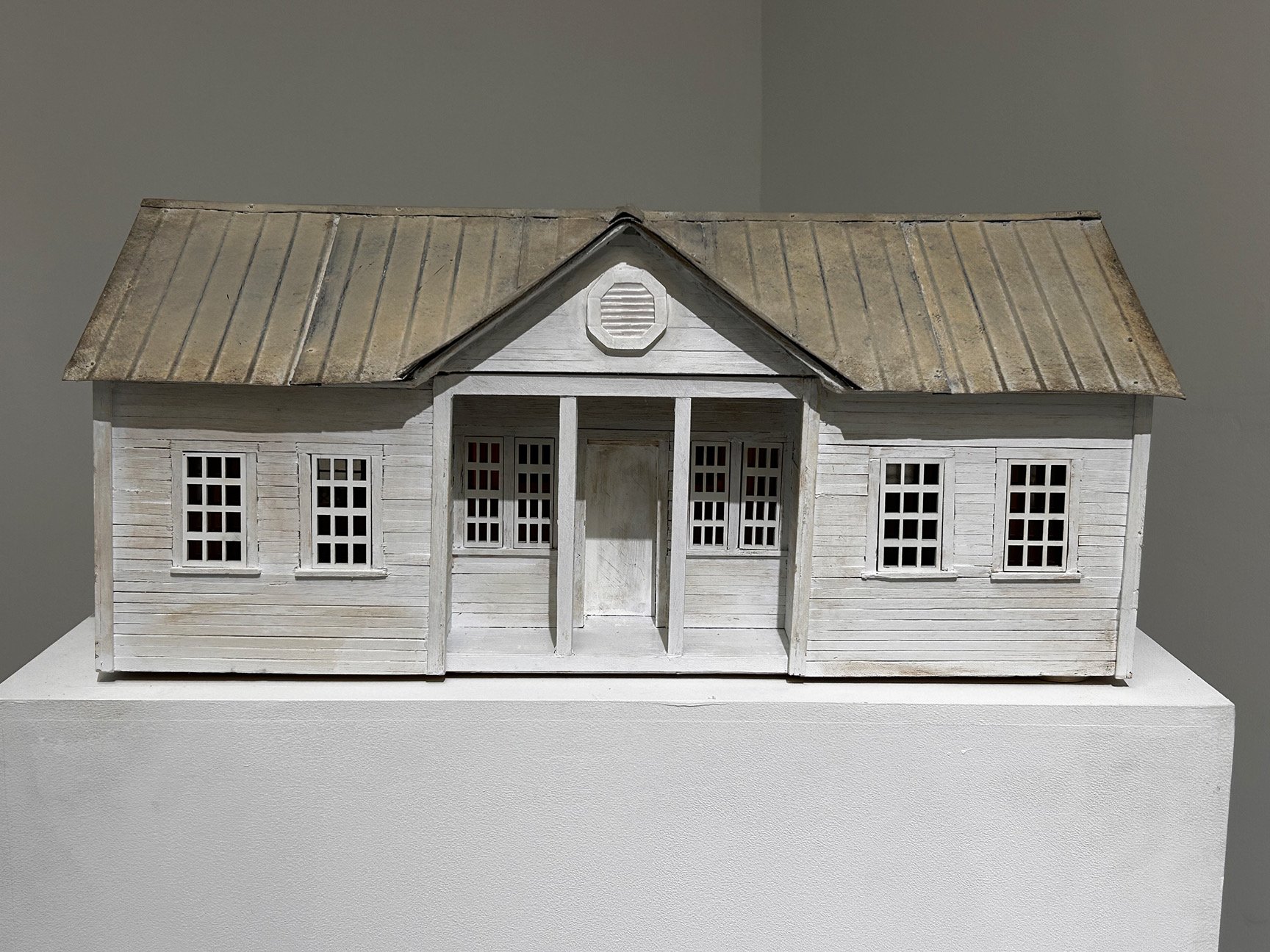
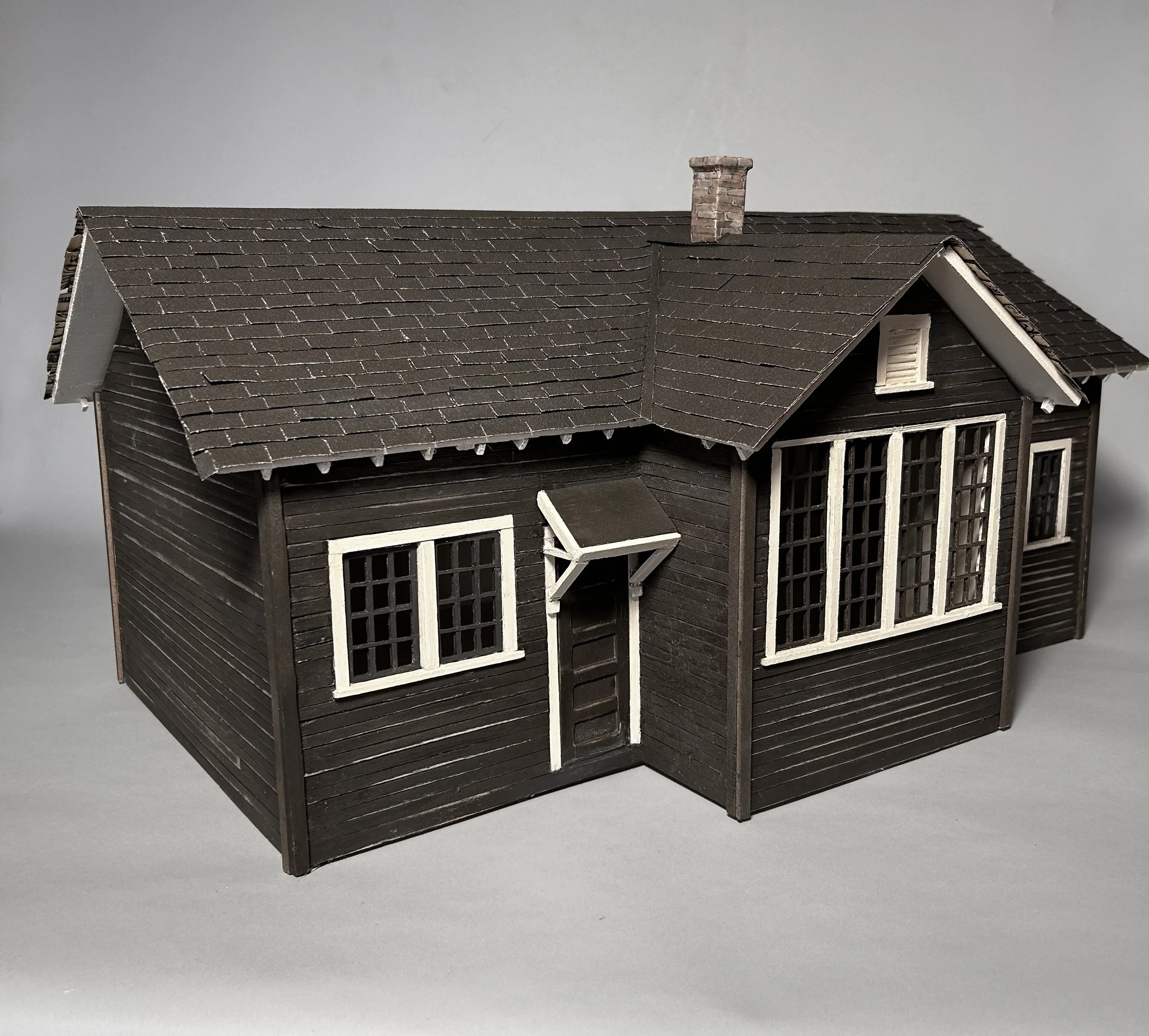
ROSENWALD SCHOOL MODEL SERIES
2026
In the early 20th century Julius Rosenwald, a Jewish philanthropist and president and part owner of Sears, Roebuck & Co., read Up From Slavery by Booker T. Washington. He was deeply moved. When the two men met in 1911, it began one of the most significant educational collaborations in American history. Together with Black communities across the South (and with little support from white school boards) they helped build 4,977 schools for Black children during segregation.
The impact of the Rosenwald Schools is profound and enduring. John Lewis attended one, Maya Angelou attended one and countless leaders, artists, and individuals were shaped within their walls. In 2002, the National Trust for Historic Preservation named Rosenwald Schools among America’s most endangered historic sites. Today only about 500 remain.
I have been quietly working toward this series for months. What initially felt like a manageable undertaking revealed itself to be far more demanding: over 200 hours of work per piece, navigating political tariffs with specialty material suppliers, and balancing the project alongside a six-month museum exhibition with extensive performing arts programming. But the most important reason for the delay was intentional. I waited for Fisk University to make its announcement first.
Fisk University, an HBCU, is the steward of the Rosenwald School archives. With the support of a $1.6 million Mellon Foundation grant, the university is building a major digital archive dedicated to Black education history and launched their first trove of images and data last month. I was thrilled to be invited to the online launch. Visiting with the women of Fisk during this creative process, who are nothing short of passionate miracle workers when it comes to this history, has been both an honor and a source of deep inspiration.
The spark for this model series came in 2021, when I encountered the traveling exhibition A Better Life for Their Children: Julius Rosenwald, Booker T. Washington, and the 4,978 Schools That Changed America by Andrew Feiler at the National Civil Rights Museum in Memphis, Tennessee. Later a dear friend gave me a copy of this book in New York. I was transfixed. As I researched further, I discovered something surprising. After desegregation, in the late 1960s and 1970s, I, a young white child growing up in a small Southern town, had attended a Rosenwald School. Peake Middle School in Arkadelphia, Arkansas after desegregation and consolidation.
The Black community knew what that school was. I did not. I did not learn the significance of Rosenwald Schools until I was in my fifties. That realization lies at the heart of this work. As a white person, my lack of such important knowledge with these historic schools is not uncommon in the South, and north of the Mason-Dixon Line, nearly everyone I speak with has never heard of these schools at all.
This series exists to help change that.
I extend my deepest thanks to FISK University, my collectors and sponsors and for the encouragement to continue on this creative and educational path. This work is meant to grow and evolve, to teach, and to honor a legacy too long overlooked. More schools will be coming soon.
Also, please be sure and visit the Fisk University Rosenwald database and sign up for their newsletter. You won’t be disappointed.